.png)


RFK Jr. and the Department of Health and Human Services: A Troubling Prospect for American Healthcare Oversight
- Travis Gebo

- Nov 15, 2024
- 4 min read

The appointment of Robert F. Kennedy Jr. to the Department of Health and Human Services (HHS) represents a profoundly troubling turn in American public health policy. Kennedy, whose legacy is steeped in political prominence, has become a polarizing figure due to his vocal stances on vaccines, mental health, and food safety. While his environmental advocacy has earned him praise, his controversial and often scientifically debunked claims about healthcare pose a significant threat to the integrity of our health systems.
In this article, we’ll critically examine Kennedy’s positions on vaccine safety, autism, raw milk consumption, and mental health, highlighting why his leadership at HHS would undermine evidence-based policies essential to protecting public health.
The Vaccine Denialism Epidemic
RFK Jr. has been a prominent voice in the anti-vaccine movement, repeatedly promoting the false notion that vaccines cause autism. This claim, originally based on a discredited and retracted study by Andrew Wakefield in 1998, has been thoroughly debunked by decades of scientific research. The Centers for Disease Control and Prevention (CDC), World Health Organization (WHO), and countless peer-reviewed studies confirm that vaccines are safe, effective, and critical to preventing the spread of infectious diseases.

Kennedy’s rhetoric has contributed to a growing vaccine hesitancy that has already led to resurgences of diseases such as measles and pertussis (whooping cough) in the United States. These outbreaks disproportionately affect children and immunocompromised individuals, the very populations HHS is tasked with protecting. If Kennedy were to lead the agency, his views could erode public trust in vaccination programs further, undermining decades of progress in disease prevention.
Autism Speculation: Fueling Misunderstanding
Kennedy has long perpetuated the myth of a connection between vaccines and autism, a claim that has been repeatedly and thoroughly disproven. The Autism Science Foundation, the National Institute of Mental Health (NIMH), and numerous studies have clarified that autism is a neurodevelopmental condition with a complex interplay of genetic and environmental factors—not a byproduct of vaccination.
By continuing to promote this false narrative, Kennedy detracts from meaningful conversations about autism research and support for individuals and families affected by the condition. A leader at HHS must champion science-backed policies, not perpetuate misinformation that stigmatizes a vulnerable community.
Raw Milk: The Most Dangerous Food?

One of Kennedy’s lesser-known but equally alarming stances is his promotion of raw milk consumption. Raw milk, or unpasteurized milk, is notorious for being a vehicle for foodborne illnesses such as salmonella, E. coli, and listeria. According to the CDC, raw milk is 150 times more likely than pasteurized milk to cause foodborne illnesses and hospitalizations. Pregnant women, children, and the elderly are particularly at risk of severe complications or death from consuming contaminated raw milk.
HHS plays a vital role in regulating food safety through agencies like the Food and Drug Administration (FDA). Kennedy’s endorsement of raw milk raises serious concerns about his commitment to evidence-based food safety standards. Allowing such dangerous advocacy to influence national food policies could result in increased outbreaks and public health crises.
Falsely Linking Antidepressants to Mass Shootings
Another cornerstone of Kennedy’s controversial platform is his claim that antidepressants are a driving factor in mass shootings. This assertion lacks credible scientific evidence. While studies have explored the complex relationship between mental health, medications, and violence, there is no consensus or data to suggest that antidepressants directly cause violent behavior.

Instead of addressing the multifaceted issues surrounding mental health and gun violence, Kennedy’s claims distract from meaningful reform. Policies under HHS should prioritize expanding mental health access, reducing stigma, and supporting evidence-based treatments—not demonizing medications that have helped millions of Americans manage depression and anxiety.
The Implications for HHS and Public Health
The Department of Health and Human Services is the backbone of America’s healthcare infrastructure, responsible for overseeing programs like Medicare, Medicaid, the FDA, and the CDC. It must be led by individuals who prioritize evidence-based decision-making and public health over personal ideology. Kennedy’s track record suggests he would steer the agency in a direction that undermines its core mission.
At a time when misinformation threatens public health outcomes, from vaccine resistance to dietary fads, leadership at HHS must inspire confidence in science and data. Kennedy’s history of promoting discredited theories could sow confusion and distrust, weakening the very systems that protect American lives.
A Call for Accountability and Competence
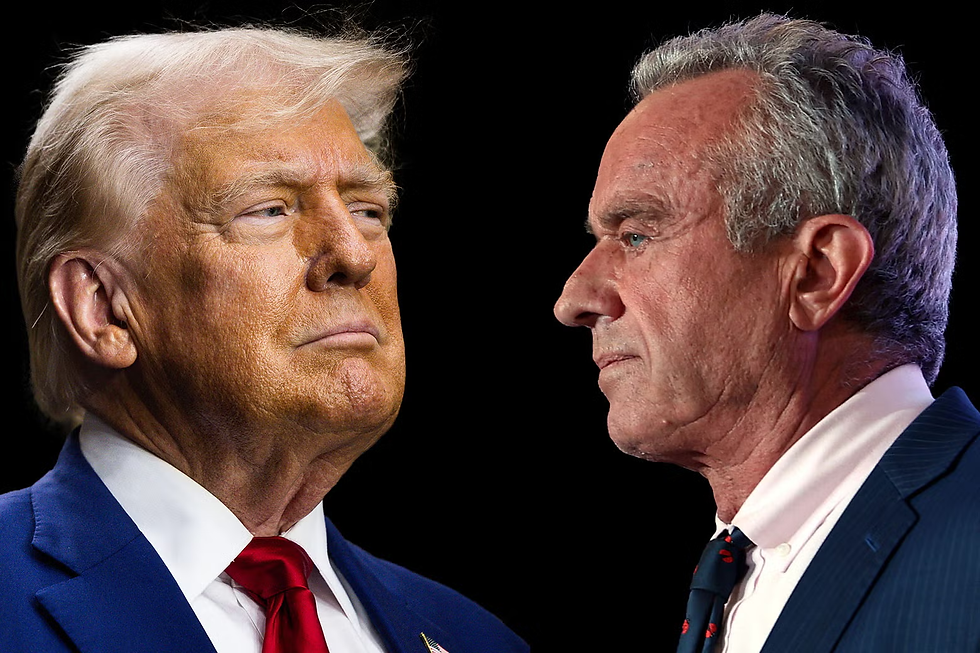
The appointment of RFK Jr. to HHS is more than just a controversial choice; it’s a dire warning for the future of healthcare oversight in the United States. His stances on vaccines, autism, raw milk, and antidepressants demonstrate a pattern of rejecting established science in favor of sensationalism.
As Americans, we must advocate for leadership that prioritizes public health over personal ideology. The stakes are too high to allow misinformation to guide policies that affect millions of lives. Healthcare is a cornerstone of our nation’s well-being, and its oversight demands rigorous, evidence-based leadership.
The proof is in the pudding: RFK Jr.’s leadership of HHS would be a disaster for public health. It’s time for our leaders to prioritize science, competence, and the welfare of all Americans in their appointments—because our health, quite literally, depends on it.

About Travis
Travis Gebo is a dedicated political writer and commentator passionate about fostering a culture of independent thinking and civic engagement. With a commitment to thoughtful discourse and bipartisan dialogue, Travis aims to steer political conversations back to policy fundamentals and away from divisive identity politics. Through his writing, Travis encourages readers to seek common ground and remember the shared goals we all hold as Americans: a prosperous, fair, and united country for all.
In his work, Travis highlights critical issues, explores policy-driven solutions, and brings attention to the ways politics affect daily life. Whether covering campaign finance, voter empowerment, or social justice, Travis provides insights that challenge assumptions, spark meaningful discussion, and help readers make informed decisions.


Comments